The average American household spends $1,100 per month on groceries, according to the Bureau of Labor Statistics. That adds up to more than $13,000 per year, making food the third-largest household expense after housing and transportation. The good news? Most families can cut that number by 30-50% through strategic changes that require no extreme couponing, no hours of prep work, and no sacrificing the foods you love.
We analyzed spending data from over 10,000 EatAffordably users and combined it with USDA research, consumer behavior studies, and real-world price tracking to identify the 15 most effective, data-backed strategies for reducing your grocery costs. Each strategy includes practical examples and estimated annual savings so you can prioritize the tactics that will make the biggest impact on your budget.
1. Master Meal Planning
Estimated annual savings: $1,200 - $2,400
Meal planning is the single most powerful tool for reducing grocery costs. When you plan your meals before you shop, you buy only what you need, eliminate impulse purchases, and ensure every ingredient gets used. Research from the International Journal of Behavioral Nutrition found that meal planners spend 20-30% less on food and are significantly less likely to be obese.
How to Start Meal Planning
- Audit your pantry and fridge every Sunday evening. Build meals around ingredients you already have before buying anything new.
- Plan 5-6 dinners per week, leaving one night for leftovers. This prevents over-buying while keeping your schedule flexible.
- Choose recipes with overlapping ingredients. If Monday's stir-fry uses bell peppers and chicken, plan Thursday's fajitas with the same ingredients.
- Designate theme nights like Meatless Monday, Taco Tuesday, or Soup Sunday to simplify decision-making.
Real-world example: A family of four spending $250/week on groceries can reduce that to $175/week by planning meals around weekly sales flyers and seasonal ingredients. That single change saves $3,900 per year.
2. Switch to Store Brands
Estimated annual savings: $1,200 - $1,800
Store-brand products (also called private label or own-brand) are one of the easiest grocery savings strategies to implement. They typically cost 25-30% less than their name-brand counterparts while meeting identical FDA quality and safety standards. In many cases, store brands are manufactured in the exact same facilities as the premium labels.
Consumer Reports blind taste tests consistently rank store brands equal to or better than name brands in categories including cereal, canned vegetables, dairy products, pasta, and cleaning supplies. The price difference comes entirely from reduced marketing and packaging costs, not from inferior quality.
Best Categories to Switch First
- Pantry staples: flour, sugar, rice, pasta, canned beans, and canned tomatoes (savings of 30-40%)
- Dairy products: milk, butter, cheese, and yogurt (savings of 20-30%)
- Frozen vegetables: identical to name brands in nutrition and taste (savings of 35-50%)
- Over-the-counter medications: FDA-required bioequivalence means identical effectiveness (savings of 40-70%)
- Cleaning supplies: same active ingredients at a fraction of the price (savings of 30-50%)
3. Buy Seasonal Produce
Estimated annual savings: $600 - $1,000
Fruits and vegetables are up to 50% cheaper when purchased in season because supply is abundant and transportation costs are lower. Out-of-season produce must be shipped from distant regions, driving up both the price and the environmental impact. Seasonal produce also tastes significantly better because it is harvested at peak ripeness rather than picked early for long-distance transport.
Seasonal Buying Guide
- Spring: asparagus, strawberries, peas, artichokes, spinach
- Summer: tomatoes, corn, peaches, watermelon, zucchini, blueberries
- Fall: apples, pumpkin, sweet potatoes, Brussels sprouts, pears
- Winter: citrus fruits, cabbage, root vegetables, kale, pomegranates
Pro tip: Buy extra seasonal produce at peak prices and freeze it. Berries, corn, green beans, and stone fruits all freeze beautifully and will save you money during the off-season months.
4. Strategic Bulk Buying
Estimated annual savings: $500 - $900
Bulk buying works best for non-perishable staples that you use frequently. The key word is strategic: buying 10 pounds of potatoes that rot before you can eat them costs more than buying 3 pounds at a higher per-unit price. Focus on shelf-stable items with long expiration dates where the per-unit savings are substantial.
Best Items to Buy in Bulk
- Rice, oats, and dried pasta (40-60% savings vs. small packages)
- Dried beans and lentils (50-70% savings; shelf life of 2+ years)
- Canned goods (20-35% savings when bought by the case)
- Cooking oils and vinegars (30-50% savings on larger containers)
- Frozen proteins (25-40% savings on family packs)
- Nuts, seeds, and nut butters (30-45% savings at warehouse stores)
Real-world example: Buying a 20-pound bag of jasmine rice at a warehouse store costs about $0.50/lb compared to $1.30/lb for a 2-pound bag at a regular grocery store. For a family that eats rice three times per week, that difference adds up to $125 per year on rice alone.
5. Use Price Comparison Apps
Estimated annual savings: $400 - $700
Price comparison apps remove the guesswork from finding the best deals. Apps like Basket, Flipp, and Instacart let you compare prices across multiple stores in your area in real time. This prevents you from overpaying for staples and helps you identify which stores consistently offer the lowest prices on the items you buy most frequently.
Top Apps for Price Comparison
- Basket: Compares real-time prices across stores in your area for specific products
- Flipp: Aggregates digital circulars from hundreds of stores so you can browse weekly sales in one place
- Checkout 51: Offers weekly cashback rebates on common grocery items
- AnyList: Combines shopping list management with price tracking across multiple stores
Spending 10 minutes comparing prices before a shopping trip typically saves $8-$15 per trip, which translates to $400-$700 per year for weekly shoppers.
6. Reduce Food Waste
Estimated annual savings: $1,500 - $2,500
The average American household throws away $1,500 worth of food per year, according to the USDA. That makes food waste the single biggest leak in most grocery budgets. By reducing waste, you effectively get a 15-25% discount on every grocery trip without changing what you buy.
Practical Steps to Minimize Waste
- Practice FIFO (First In, First Out): Move older items to the front of your fridge and pantry so they get used before expiring.
- Understand date labels: "Best by" dates indicate peak quality, not safety. Most foods remain safe and nutritious well past these dates.
- Store produce correctly: Keep bananas separate from other fruits, store leafy greens with a paper towel in sealed containers, and keep tomatoes on the counter rather than in the fridge.
- Repurpose leftovers creatively: Stale bread becomes croutons or breadcrumbs. Overripe bananas become banana bread. Vegetable scraps become stock.
- Freeze before it spoils: Bread, milk, cheese, cooked grains, and most proteins can be frozen to extend their life by weeks or months.
7. Make Smart Protein Swaps
Estimated annual savings: $800 - $1,400
Protein is typically the most expensive component of any meal. Replacing some or all of your animal protein with plant-based alternatives can dramatically reduce costs while maintaining or even improving nutritional quality. A pound of dried lentils costs about $1.50 and provides 50 grams of protein, compared to $6-$10 per pound for chicken breast (roughly 100 grams of protein).
Cost-Effective Protein Sources (Price per 30g Protein)
- Dried lentils: $0.25 per serving
- Dried black beans: $0.30 per serving
- Eggs: $0.50 per serving
- Canned tuna: $0.75 per serving
- Chicken thighs: $0.90 per serving
- Tofu: $0.55 per serving
- Peanut butter: $0.40 per serving
Practical approach: You do not need to go fully vegetarian. Simply replacing meat with beans or lentils in 2-3 meals per week can save a family of four $60-$100 per month.
8. Embrace Batch Cooking
Estimated annual savings: $600 - $1,200
Batch cooking means preparing large quantities of food at once and portioning it out for multiple meals. This saves money in three ways: you buy ingredients in larger, more economical quantities; you reduce the temptation to order takeout on busy weeknights; and you use energy more efficiently by running your oven or stove once instead of seven times per week.
Batch Cooking Starter Recipes
- Big-batch chili: Makes 8-10 servings for under $12 total ($1.20-$1.50/serving)
- Sheet pan chicken and vegetables: 6 servings for under $10 ($1.65/serving)
- Overnight oats variety pack: 5 breakfasts for under $4 ($0.80/serving)
- Rice and bean burritos: 12 burritos for under $8 ($0.67/serving)
- Vegetable soup: 10 servings for under $7 ($0.70/serving)
A household that batch cooks just once per week can save $50-$100 per month by avoiding the 2-3 takeout orders that would have happened on nights when cooking felt too exhausting.
9. Build a Freezer Meal Arsenal
Estimated annual savings: $500 - $1,000
Freezer meals extend the benefits of batch cooking even further. By preparing complete meals that go directly from the freezer to the oven or slow cooker, you create a personal convenience food supply that costs a fraction of store-bought frozen dinners. A homemade freezer lasagna costs $8-$10 and serves 8 people, compared to $6-$8 for a store-bought version that serves 2-3.
Freezer-Friendly Meal Categories
- Soups and stews: Freeze flat in gallon bags for easy stacking and fast thawing
- Casseroles: Assemble in disposable foil pans, freeze unbaked, bake directly from frozen
- Marinated proteins: Combine meat with marinade in freezer bags for dump-and-cook slow cooker meals
- Breakfast burritos: Wrap individually in foil for grab-and-go mornings
- Smoothie packs: Pre-portioned bags of frozen fruit, spinach, and protein powder
10. Optimize Coupon Strategies
Estimated annual savings: $300 - $600
Modern couponing does not require binders full of newspaper clippings. Digital coupons, store loyalty programs, and manufacturer rebate apps make saving money faster and simpler than ever. The key is to use coupons strategically: only on items you already plan to buy, and ideally stacked with store sales for maximum impact.
High-Impact Coupon Tactics
- Load digital coupons weekly: Most grocery store apps let you clip coupons with one tap. Spend 5 minutes loading them every Sunday.
- Stack manufacturer coupons with store sales: When a store puts pasta on sale for $0.79 and you have a $0.50 manufacturer coupon, you pay just $0.29 per box.
- Check for catalinas: These are the coupons that print at checkout. They often offer $2-$5 off your next order when you buy specific products.
- Use store loyalty programs: Many chains offer fuel points, personalized discounts, and exclusive sale prices for loyalty members.
11. Stick to a Shopping List
Estimated annual savings: $700 - $1,300
Research published in the Journal of Marketing Research found that shoppers without a list spend 23% more per trip than those who shop with one. Impulse purchases account for a staggering 50-60% of all grocery spending. A well-crafted shopping list is your best defense against the carefully designed store layouts and product placements meant to encourage unplanned buying.
Rules for an Effective Shopping List
- Write your list by store section (produce, dairy, meat, pantry) to minimize wandering through tempting aisles.
- Never shop hungry. Studies confirm that hungry shoppers buy 64% more junk food and spend 17% more overall.
- Set a budget and track your running total as you shop. Most smartphone calculator apps work perfectly for this.
- Allow one or two treat items per trip. A small indulgence prevents the feeling of deprivation that leads to larger splurges later.
12. Compare Unit Prices
Estimated annual savings: $400 - $700
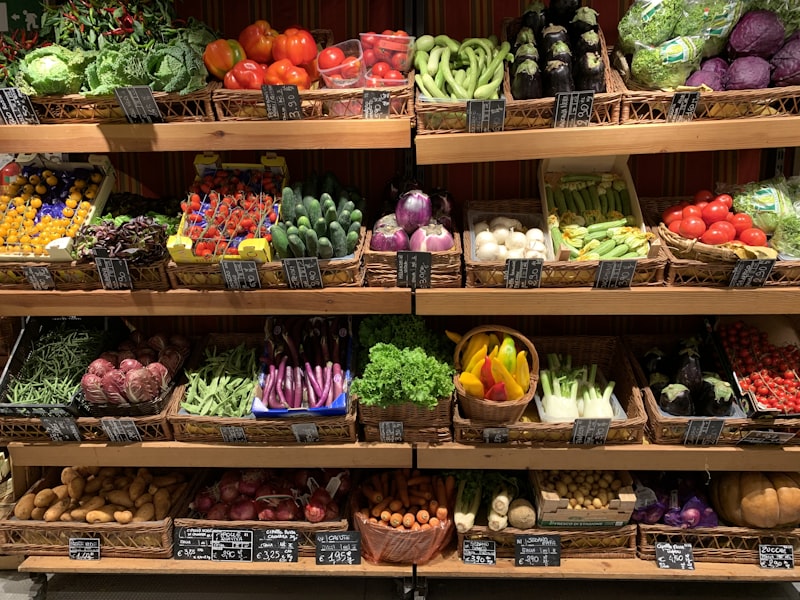
Unit pricing is the true cost of a product measured per ounce, per pound, or per count. It is the most reliable way to compare value across different brands and package sizes. Most grocery stores display unit prices on shelf tags, but they are often in small print that is easy to overlook. Training yourself to check unit prices before grabbing a product takes seconds and consistently reveals surprising price differences.
Common Unit Price Surprises
- The "family size" box of cereal is not always cheaper per ounce than the regular size
- Pre-shredded cheese costs 30-40% more per ounce than block cheese
- Individual yogurt cups cost 2-3 times more per ounce than a 32-ounce tub
- Baby carrots cost twice as much per pound as whole carrots
- Pre-sliced deli meat costs 50-100% more per pound than whole cuts you slice at home
13. Choose the Right Store
Estimated annual savings: $500 - $1,500
Where you shop matters as much as what you buy. Price differences between grocery stores in the same city can range from 15-40% for identical products. Discount grocers like Aldi, Lidl, and WinCo consistently offer the lowest prices on staples, while conventional supermarkets charge premium prices for the same items.
Store Selection Strategy
- Discount grocers (Aldi, Lidl, WinCo): Best for pantry staples, dairy, produce, and store-brand items
- Warehouse clubs (Costco, Sam's Club): Best for bulk proteins, paper goods, cleaning supplies, and specific brand-name items
- Ethnic and international markets: Often the cheapest source for spices, rice, noodles, produce, and specialty ingredients
- Conventional supermarkets: Best used strategically for loss-leader sale items and loyalty program deals
Real-world example: Switching your primary weekly shopping from a conventional supermarket to Aldi saves the average family $30-$60 per week, or $1,560-$3,120 per year. Supplementing with Costco for bulk proteins and paper goods increases those savings further.
14. Leverage Cashback Apps
Estimated annual savings: $200 - $500
Cashback apps let you earn money back on purchases you are already making. Unlike coupons, most cashback apps work by scanning your receipt after you shop, which means they can be combined with any other savings strategy. The effort required is minimal: snap a photo of your receipt in 30 seconds and earn $0.25-$5.00 per qualifying item.
Top Grocery Cashback Apps
- Ibotta: The market leader with the broadest product selection; average users earn $20-$30/month
- Fetch Rewards: Earn points on every receipt regardless of what you buy; particularly strong for household brands
- Checkout 51: Weekly offers refreshed every Thursday; especially strong on produce and dairy
- Shopkick: Earn points (kicks) for walking into stores, scanning barcodes, and making purchases
- Dosh: Links to your debit or credit card for automatic cashback with no receipt scanning required
15. Grow Your Own Herbs
Estimated annual savings: $150 - $400
A single package of fresh herbs at the grocery store costs $2-$4 and often goes to waste before you use it all. A potted herb plant costs $3-$5 and produces fresh herbs for an entire growing season or year-round on a sunny windowsill. If you cook regularly with herbs like basil, cilantro, parsley, rosemary, and mint, growing your own is one of the simplest ways to save money while improving the flavor of your meals.
Easiest Herbs to Grow at Home
- Basil: Thrives on a sunny windowsill; one plant replaces $50-$80 worth of store-bought basil per year
- Rosemary: Extremely hardy perennial that requires almost no care and lasts for years
- Mint: Grows aggressively in pots (keep it contained); perfect for drinks, salads, and sauces
- Chives: Perennial that regrows after cutting; substitute for expensive scallions
- Parsley: Versatile flat-leaf variety grows quickly and abundantly from seed
Getting started: A basic windowsill herb garden with 4-5 plants costs under $20 to set up and pays for itself within the first month. All you need is a sunny window, small pots with drainage, and basic potting soil.
Frequently Asked Questions
Most families can save between $200 and $400 per month by implementing a combination of meal planning, store brand shopping, and strategic bulk buying. According to the USDA, the average American family of four spends $1,100 per month on groceries, but a thrifty plan can reduce that to around $700, representing savings of approximately $4,800 per year. The key is consistency: implementing 4-5 strategies consistently yields far better results than attempting all 15 sporadically.
Meal planning is consistently ranked as the single most effective strategy for reducing grocery spending. Studies show that meal planners spend 20-30% less on groceries because they buy only what they need, reduce impulse purchases, and minimize food waste. Combined with a written shopping list, meal planning alone can save the average household $150-$250 per month.
Yes, store brands are typically manufactured in the same facilities as name-brand products and must meet the same FDA quality and safety standards. Consumer Reports blind taste tests consistently show that store brands match or outperform name brands in most categories. Switching to store brands saves an average of 25-30% per item, which translates to roughly $1,500 in annual savings for a typical family.
Buying in bulk is not always cheaper. While staples like rice, oats, canned goods, and frozen vegetables almost always cost less in bulk, perishable items can lead to increased food waste that negates any savings. The key is to only bulk-buy items you will actually use before they expire. Compare unit prices rather than package prices, and consider splitting bulk purchases with friends or family members to maximize savings without waste.
Eating healthy on a tight budget is absolutely possible by focusing on nutrient-dense, affordable staples like dried beans, lentils, brown rice, oats, eggs, frozen vegetables, bananas, cabbage, carrots, and canned tomatoes. These foods cost under $1 per serving and provide excellent nutrition. Batch cooking soups, stews, and grain bowls stretches your budget further while ensuring balanced meals throughout the week.
The best grocery savings apps include Ibotta (cashback on specific items, averaging $20-30 per month in savings), Fetch Rewards (earn points by scanning any receipt), Flipp (digital circular comparison across stores), Checkout 51 (weekly cashback offers), and Basket (real-time price comparison across local stores). Using a combination of 2-3 apps typically saves $40-$80 per month without significant time investment.