Why Cost Per Gram of Protein Matters
Most people evaluate protein by the sticker price on the package. A $5 rotisserie chicken seems like a deal, while a $12 bag of whey protein feels expensive. But when you break down the actual cost per gram of usable protein, the rankings can surprise you.
The cost per gram of protein metric strips away misleading packaging sizes, varying serving weights, and water content to reveal which foods deliver the most protein for your dollar. This matters because the average American needs between 50 and 150 grams of protein daily, depending on body weight and activity level, and spending inefficiently on protein can add hundreds of dollars to your annual grocery bill.
We surveyed prices from major US grocery chains, warehouse clubs, and discount stores in early 2026 to compile this ranking. All prices reflect national averages and may vary by region, season, and store. Our goal is simple: help you build a high-protein diet that costs as little as possible.
Complete Protein Ranking Table (20+ Sources)
The table below ranks over 20 common protein sources from cheapest to most expensive on a cost-per-gram-of-protein basis. We include the typical retail price per pound (or standard unit), the grams of protein per standard serving, and the resulting cost per gram of protein.
| Rank | Protein Source | Category | Cost/lb (or unit) | Protein/Serving | Cost/Gram Protein |
|---|---|---|---|---|---|
| 1 | Dried Lentils | Plant | $1.50/lb | 18g (1/4 cup dry) | $0.02 |
| 2 | Dried Black Beans | Plant | $1.40/lb | 15g (1/4 cup dry) | $0.02 |
| 3 | Dried Split Peas | Plant | $1.60/lb | 16g (1/4 cup dry) | $0.02 |
| 4 | Peanut Butter | Plant | $3.00/jar (16oz) | 7g (2 tbsp) | $0.03 |
| 5 | Eggs (large, dozen) | Eggs | $3.00/dozen | 6g (1 egg) | $0.04 |
| 6 | Whey Protein Powder | Supplement | $50.00/5lb tub | 24g (1 scoop) | $0.04 |
| 7 | Chicken Leg Quarters | Animal | $0.99/lb | 28g (1 quarter) | $0.04 |
| 8 | Chicken Thighs (bone-in) | Animal | $1.49/lb | 26g (1 thigh) | $0.05 |
| 9 | Tofu (extra firm) | Plant | $2.50/14oz | 20g (1/2 block) | $0.05 |
| 10 | Canned Tuna (chunk light) | Canned | $1.00/5oz can | 20g (1 can) | $0.05 |
| 11 | Cottage Cheese | Dairy | $3.50/16oz | 14g (1/2 cup) | $0.06 |
| 12 | Greek Yogurt | Dairy | $5.00/32oz | 15g (3/4 cup) | $0.06 |
| 13 | Whole Milk | Dairy | $3.80/gallon | 8g (1 cup) | $0.06 |
| 14 | Canned Chickpeas | Canned | $1.20/15oz can | 11g (1/2 can) | $0.06 |
| 15 | Canned Black Beans | Canned | $1.10/15oz can | 11g (1/2 can) | $0.06 |
| 16 | Ground Turkey | Animal | $3.50/lb | 22g (4oz) | $0.07 |
| 17 | Chicken Breast (boneless) | Animal | $3.49/lb | 31g (4oz) | $0.07 |
| 18 | Canned Salmon | Canned | $3.00/6oz can | 22g (1/2 can) | $0.07 |
| 19 | Ground Beef (80/20) | Animal | $4.50/lb | 22g (4oz) | $0.08 |
| 20 | Pork Loin | Animal | $3.00/lb | 23g (4oz) | $0.08 |
| 21 | Tempeh | Plant | $3.50/8oz | 16g (3oz) | $0.08 |
| 22 | Edamame (frozen) | Plant | $2.50/12oz | 9g (1/2 cup) | $0.09 |
| 23 | Cheddar Cheese | Dairy | $5.00/lb | 7g (1oz) | $0.10 |
| 24 | Beef Steak (sirloin) | Animal | $8.00/lb | 26g (4oz) | $0.12 |
Prices based on US national averages as of early 2026. Your local prices may vary. Protein values based on USDA FoodData Central.
Top 10 Cheapest Protein Sources In-Depth
Let us take a closer look at the ten most affordable protein sources and how to make the most of each one in your weekly meal plan.
1. Eggs — The Ultimate Budget Protein
Eggs have earned their reputation as the gold standard of affordable, complete protein. At roughly $3.00 per dozen, each egg delivers 6 grams of complete protein containing all nine essential amino acids. That works out to about $0.04 per gram of protein, making eggs one of the top three cheapest animal protein sources available anywhere.
Beyond protein, eggs provide vitamin D, B12, choline, and selenium. They are incredibly versatile: scrambled for breakfast, hard-boiled for meal prep, or added to fried rice for a quick dinner. Buying in bulk (flats of 60 eggs from warehouse stores) can bring the cost down to under $0.03 per gram of protein.
2. Chicken Thighs — Best Value in Meat
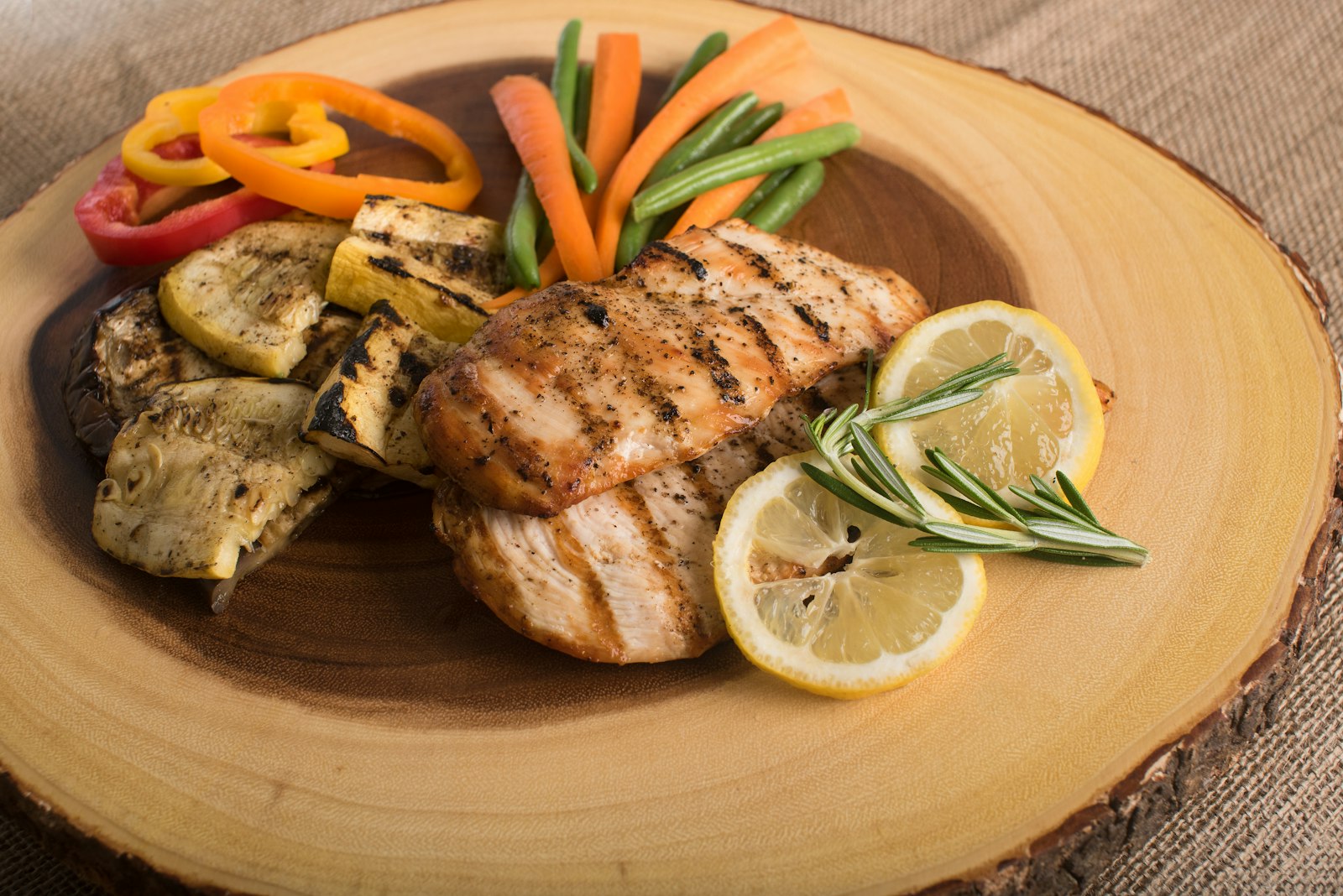
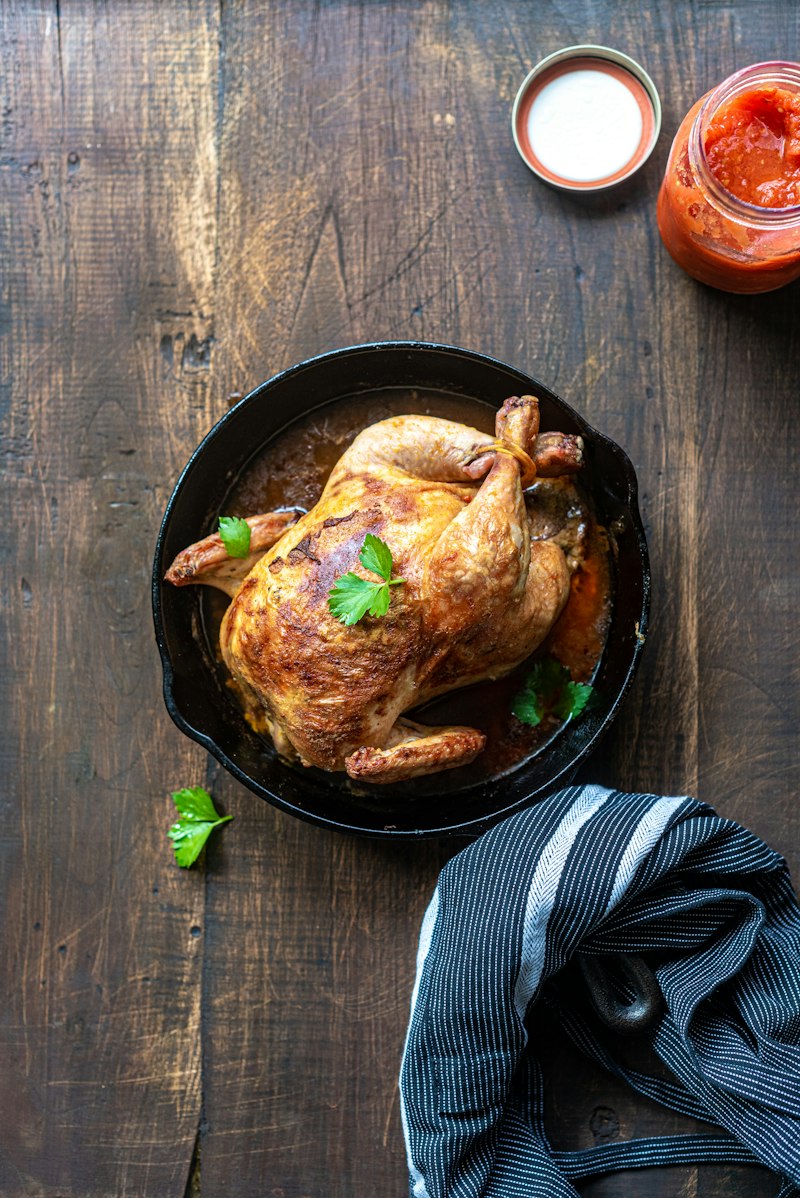
Bone-in, skin-on chicken thighs regularly sell for $1.49 per pound or less, providing approximately 26 grams of protein per thigh. At about $0.05 per gram of protein, they are roughly half the cost of boneless skinless chicken breast while being juicier and more forgiving during cooking.
Chicken leg quarters, which include the thigh and drumstick, often drop below $1.00 per pound during sales, pushing the cost per gram of protein to under $0.04. Stock up when they are on sale and freeze them in meal-sized portions for up to six months.
3. Canned Tuna — Pantry Protein Powerhouse
A single 5-ounce can of chunk light tuna costs about $1.00 and packs around 20 grams of protein. At $0.05 per gram, it is one of the most convenient and shelf-stable protein sources you can keep on hand. Canned tuna requires zero cooking and can be mixed into salads, sandwiches, or pasta in minutes.
Chunk light tuna (skipjack) is both cheaper and lower in mercury than albacore. The FDA recommends up to two to three servings per week for most adults. Buy multi-packs of 12 cans at warehouse stores to save an additional 15 to 20 percent.
4. Lentils — Plant Protein King
Dried lentils are the single cheapest source of protein on this list at just $0.02 per gram of protein. A one-pound bag costs about $1.50 and contains approximately 100 grams of protein. Unlike other dried legumes, lentils require no soaking and cook in just 20 to 25 minutes.
Red lentils dissolve into soups and dal, green lentils hold their shape for salads, and brown lentils are perfect for stews and chili. Lentils also provide iron, folate, and 8 grams of fiber per serving. For a complete protein profile, pair them with rice or whole grains.
5. Peanut Butter — Calorie-Dense and Cheap
A 16-ounce jar of peanut butter costs around $3.00 and delivers 7 grams of protein per two-tablespoon serving, working out to roughly $0.03 per gram of protein. It is one of the most calorie-dense protein sources, making it ideal for people who need to gain weight on a budget or fuel intense workouts.
Look for natural peanut butter with just peanuts and salt in the ingredients. Store-brand versions are typically $1 to $2 cheaper than name brands with identical nutritional profiles. Spread it on toast, blend it into smoothies, or stir it into oatmeal for an easy protein boost.

6. Greek Yogurt — Protein-Packed Dairy
A 32-ounce tub of plain Greek yogurt runs about $5.00 and provides roughly 15 grams of protein per three-quarter cup serving. At $0.06 per gram of protein, it is more expensive than eggs but comes with the added benefits of probiotics and calcium.
Buy the plain, unsweetened variety and add your own fruit or honey to avoid the sugar and higher price of flavored versions. Greek yogurt works as a breakfast base, a smoothie ingredient, a sour cream substitute, and a high-protein snack. Store brands consistently offer the same macros at 20 to 30 percent less than name brands.
7. Cottage Cheese — The Underrated Choice
Cottage cheese has seen a resurgence in popularity, and for good reason. A 16-ounce container costs about $3.50 and delivers 14 grams of protein per half-cup serving, putting it at approximately $0.06 per gram of protein. It is rich in casein protein, which digests slowly and keeps you feeling full longer.
Low-fat cottage cheese offers the same protein at fewer calories. Eat it with fruit, use it in lasagna, blend it into smoothies, or top it with savory seasonings like everything bagel spice. The high sodium content is the only real drawback to watch for.
8. Tofu — Versatile Plant Protein
A 14-ounce block of extra-firm tofu costs approximately $2.50 and contains about 40 grams of protein. At $0.05 per gram of protein, tofu is one of the cheapest complete plant protein sources. It absorbs the flavor of any sauce or seasoning, making it extremely versatile in the kitchen.
Press extra-firm tofu before cooking to improve texture. It can be pan-fried, baked, scrambled, grilled, or added to soups and stir-fries. Silken tofu blends into smoothies and desserts for a protein boost. Tofu also provides calcium and iron, especially when made with calcium sulfate.
9. Whey Protein Powder — Convenience Premium
A 5-pound tub of whey protein concentrate costs around $50 and provides about 75 servings of 24 grams each. That works out to roughly $0.04 per gram of protein, making it surprisingly competitive with whole foods on a pure cost-per-protein basis.
Whey concentrate is cheaper than isolate and contains slightly more fat and lactose. The real value of whey protein is convenience: just mix with water or milk for a fast 24 grams of highly bioavailable protein. Watch for sales around major holidays when prices frequently drop 20 to 40 percent.
10. Black Beans — The Fiber-Protein Combo
Dried black beans cost about $1.40 per pound and provide 15 grams of protein per quarter-cup dry serving. At $0.02 per gram of protein, they tie with lentils for the cheapest protein available. One pound of dried black beans yields approximately six to seven cups cooked, providing over 90 grams of protein.
Black beans do require soaking (8 hours or overnight) and about 90 minutes of cooking. A pressure cooker or Instant Pot reduces this to 25 minutes. Canned black beans are a faster alternative at roughly double the cost per gram. Use them in burritos, rice bowls, soups, and salads.
Animal Proteins Breakdown
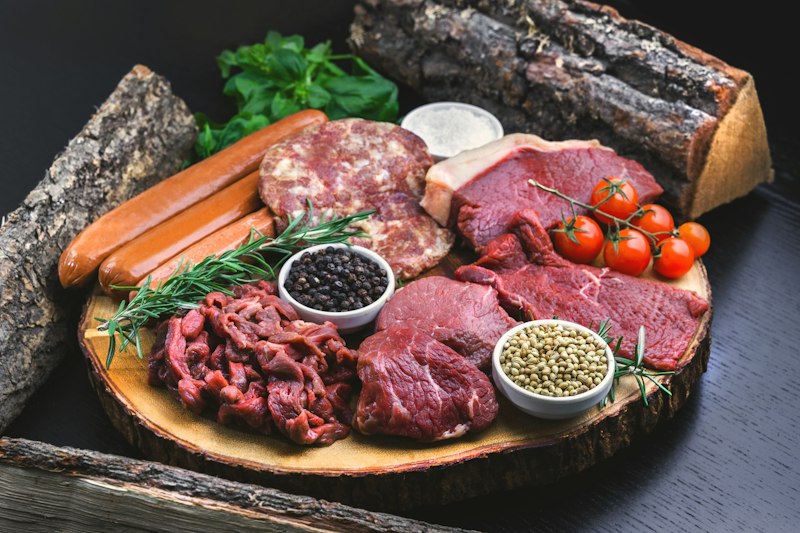
Animal proteins have the advantage of being complete proteins, meaning they contain all nine essential amino acids in the ratios your body needs. The cost varies dramatically depending on the cut and animal.
Cheapest animal proteins: Chicken leg quarters ($0.04/g), bone-in chicken thighs ($0.05/g), and eggs ($0.04/g) are the clear winners. These should form the backbone of any budget-friendly high-protein diet that includes animal products.
Mid-range options: Ground turkey ($0.07/g), boneless chicken breast ($0.07/g), and ground beef ($0.08/g) cost more but are leaner and more convenient. Buy them in family packs and portion into freezer bags.
Splurge proteins: Steak ($0.12/g), salmon fillets ($0.13/g), and shrimp ($0.14/g) are the most expensive per gram. Reserve these for occasional meals and rely on cheaper sources for everyday protein needs.
Plant Proteins Breakdown
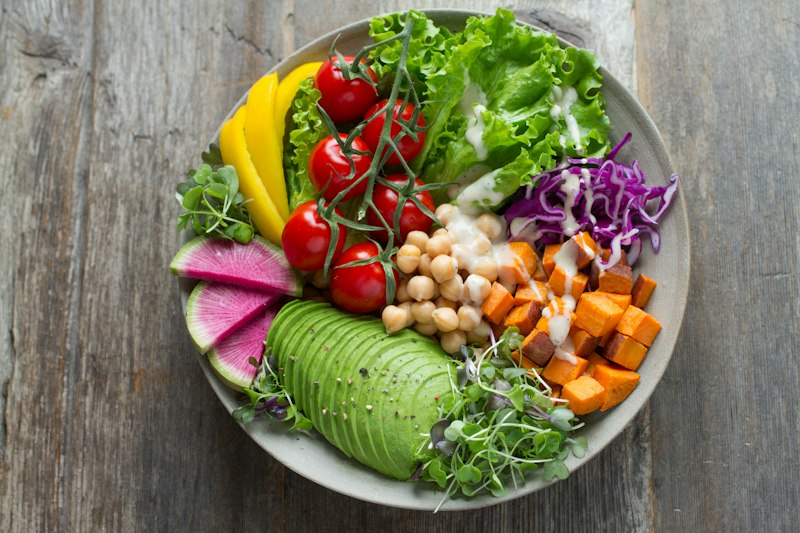
Plant proteins dominate the top of the affordability rankings. Dried legumes, including lentils, black beans, split peas, and chickpeas, are the cheapest proteins on the planet. The tradeoff is that most plant proteins are incomplete on their own, meaning they lack one or more essential amino acids.
This is easily solved by eating a variety of plant proteins throughout the day. Classic combinations include rice and beans, hummus and pita, and peanut butter on whole wheat bread. Modern nutritional science confirms that you do not need to combine these in a single meal: just eat a variety over the course of the day.
Tofu and tempeh stand out as complete plant proteins that are also relatively affordable. Tempeh ($0.08/g) is pricier than tofu ($0.05/g) but provides additional probiotics from fermentation and a firmer, nuttier texture that works well in sandwiches and stir-fries.
Dairy and Egg Proteins
The dairy category offers some of the best middle-ground options for protein on a budget. Greek yogurt and cottage cheese both clock in at approximately $0.06 per gram of protein and offer additional nutritional benefits like calcium, probiotics, and slow-digesting casein protein.
Whole milk is surprisingly cost-effective at $0.06 per gram of protein, providing 8 grams per cup along with vitamin D and healthy fats. For people who are not lactose intolerant, incorporating a glass of milk with meals is one of the easiest ways to add inexpensive protein.
Cheese is the most expensive dairy protein source at $0.10 per gram and above. While it makes an excellent flavor enhancer, relying on cheese as a primary protein source is not cost-efficient. Use it as a topping or ingredient rather than a main protein source.
Eggs remain the most affordable option in this category. They are nutritionally complete, extremely versatile, and available everywhere. If you only buy one protein source, make it eggs.
Canned Goods: Budget Protein Staples
Canned proteins deserve special attention because they combine affordability with unmatched convenience and shelf stability. Here is how the major canned protein options compare:
- Canned tuna (chunk light): $0.05/g protein. The cheapest canned animal protein. Best in sandwiches, salads, and pasta.
- Canned black beans: $0.06/g protein. Ready in minutes, versatile in any cuisine. Rinse to reduce sodium by 40 percent.
- Canned chickpeas: $0.06/g protein. Make hummus, add to salads, or roast for a crunchy snack.
- Canned salmon: $0.07/g protein. More expensive but rich in omega-3 fatty acids. Bones are edible and add calcium.
- Canned chicken: $0.08/g protein. Convenient for chicken salad and wraps but texture is less appealing than fresh.
Stock your pantry with a rotating supply of these canned goods. They last one to five years, require no refrigeration, and can be turned into a meal in under ten minutes. Buy cases during sales for the best per-unit pricing.
Regional Price Variations
Protein prices vary significantly across the United States. Understanding these regional differences can help you adjust your budget expectations and shopping strategies.
Midwest and South: These regions generally offer the lowest protein prices. Chicken is often 20 to 30 percent cheaper due to proximity to poultry farms. Eggs and dairy benefit from lower transportation costs. Budget shoppers in states like Arkansas, Georgia, and Iowa have a notable advantage.
Northeast: Prices run 10 to 20 percent above the national average, particularly in metro areas like New York City and Boston. Canned goods and dried legumes are the best budget options here because their shelf-stable nature keeps distribution costs low.
West Coast: California, Oregon, and Washington tend to have higher protein prices due to higher labor costs and stricter agricultural regulations. However, tofu and plant-based proteins are often more competitively priced in these markets due to higher demand.
Rural vs. Urban: Small-town grocery stores typically charge more per unit than urban supermarkets or warehouse clubs. If you live in a rural area, buying in bulk online or making monthly trips to warehouse stores can save 15 to 25 percent on protein costs.
Pro tip: Use grocery store apps and weekly flyers to track protein prices at your local stores. Many stores offer digital coupons and loyalty pricing that can reduce protein costs by an additional 10 to 15 percent.
Key Takeaways
After analyzing over 20 protein sources, these are the most important lessons for eating high-protein on a budget:
- Dried legumes are the cheapest protein on Earth. Lentils and dried black beans deliver protein at $0.02 per gram, less than half the cost of even the cheapest meat.
- Eggs are the best overall value. They are cheap, complete, versatile, and available everywhere. At $0.04 per gram, they are hard to beat.
- Dark meat chicken beats chicken breast on value. Bone-in thighs and leg quarters cost 50 to 70 percent less per gram of protein than boneless skinless breast.
- Canned proteins are underrated. Tuna, beans, and chickpeas offer excellent protein value with zero prep time and years of shelf life.
- Whey protein is competitively priced. At $0.04 per gram, a tub of whey protein is as cost-effective as eggs when bought on sale.
- Buy in bulk and freeze. Purchasing family packs, multi-packs, and warehouse quantities can reduce protein costs by 20 to 40 percent.
- Mix plant and animal sources. Combining cheap plant proteins with occasional animal proteins gives you complete nutrition at the lowest possible cost.
- Track prices at your local stores. Regional variations mean the cheapest source in your area might differ from the national average. Use apps and flyers to find the best local deals.
Frequently Asked Questions
Eggs are consistently the cheapest source of protein per gram in the United States, averaging about $0.04 per gram of protein. A dozen large eggs typically costs $2.50 to $3.50, providing roughly 72 grams of complete protein. Dried lentils and dried beans are close competitors, especially for plant-based diets, coming in at approximately $0.02 per gram of protein.
The Recommended Dietary Allowance (RDA) is 0.36 grams of protein per pound of body weight. For a 150-pound person, that is about 54 grams per day. Active individuals and those building muscle may need 0.7 to 1.0 grams per pound. Using affordable sources like eggs, chicken thighs, and lentils, you can meet these goals for $3 to $5 per day.
Yes, in most cases plant protein is cheaper than animal protein. Dried lentils, dried beans, and peanut butter typically cost $0.02 to $0.05 per gram of protein, while most animal sources range from $0.04 to $0.10 per gram. However, eggs and chicken thighs are notable exceptions that compete directly with plant proteins on price.
Canned beans retain nearly the same protein content and nutritional value as dried beans. The main differences are that canned beans contain more sodium (reducible by rinsing) and cost roughly twice as much per serving. Dried beans require soaking and longer cooking time but offer the best value at about $0.02 per gram of protein.
Combine complementary plant proteins throughout the day: rice with beans, peanut butter on whole wheat bread, or lentils with whole grains. You do not need to combine them in a single meal. Mixing affordable animal proteins like eggs or canned tuna with plant sources such as lentils and black beans provides complete amino acid profiles while keeping costs under $5 per day.
Buying in bulk from warehouse stores can save 20 to 40 percent on protein. The best bulk buys include 10-pound bags of chicken leg quarters ($0.79 to $0.99/lb), 25-pound bags of dried beans or lentils ($0.60 to $0.80/lb), large tubs of whey protein (5 lb for $40 to $60), and flats of 60 eggs. Freezing meat in portion-sized bags extends shelf life for months.